Vessel Preparation Starts from the Basics - Part 1: Sizing and Pressure
Before any dedicated device, two basic gestures already are vessel preparation: measuring the vessel correctly, and inflating very slowly up to nominal pressure — not beyond.

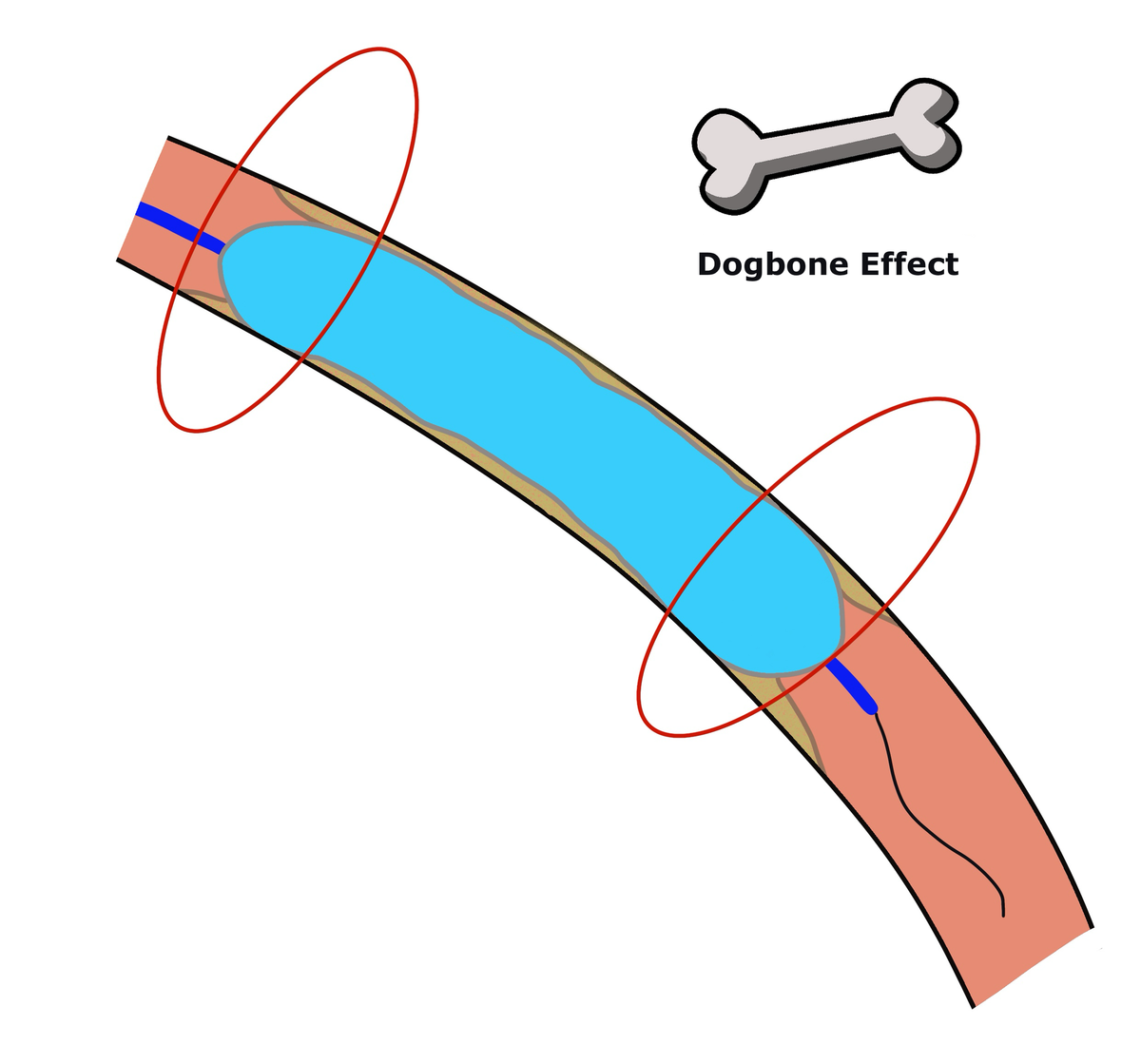
Before any dedicated device, two basic gestures already are vessel preparation: measuring the vessel correctly, and inflating very slowly up to nominal pressure — not beyond.
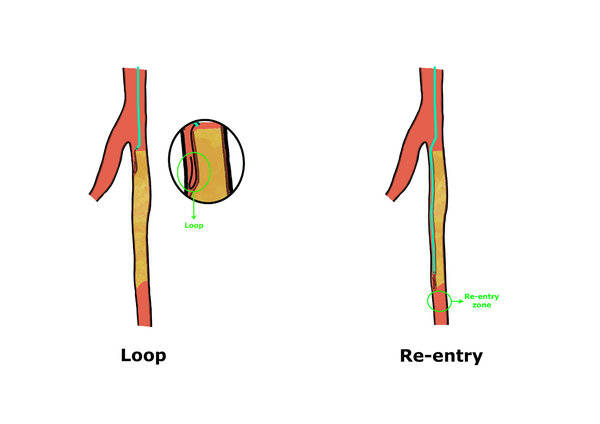
Once the decision is made to go subintimal, the technique becomes a matter of discipline: keeping the loop small, advancing the catheter behind the wire, and re-entering the true lumen right at the distal cap - the most demanding step of the entire procedure.
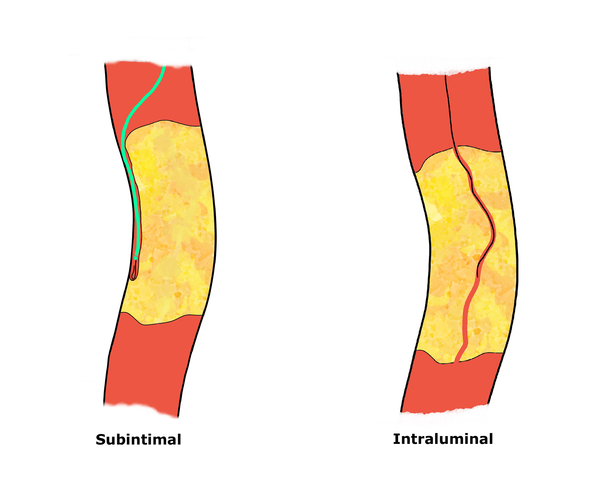
Once the Target Arterial Path is chosen, the technical question becomes how to cross the CTO. In long femoropopliteal occlusions the relationship between intraluminal and subintimal recanalization is more nuanced than the textbook sequence suggests — three scenarios worth distinguishing.
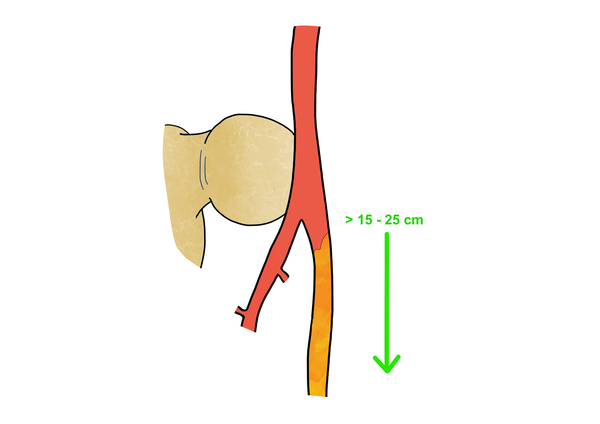
Before discussing how to cross a long or multilevel CTO, we need a more fundamental question: which vessel do we recanalize? The strategic framework of the 2019 Global Vascular Guidelines — Target Arterial Path, GLASS, and the role of the angiosome — defines everything that follows.
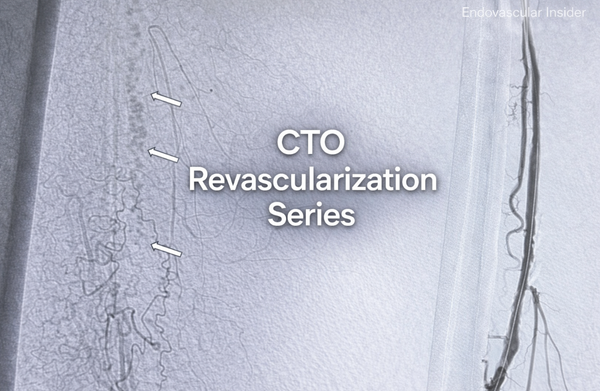
Heavy calcification is not just a technical obstacle — it changes the rules of the game entirely. In this issue: why the subintimal approach often fails in the highly calcified pattern, and why staying endoluminal is both the harder and the smarter choice