When to Use Antegrade Access in Infrainguinal Revascularization
Antegrade access is the default for infrainguinal revascularization — until proven otherwise. Two real exceptions, two false exceptions, and the one adjustment that changes everything.

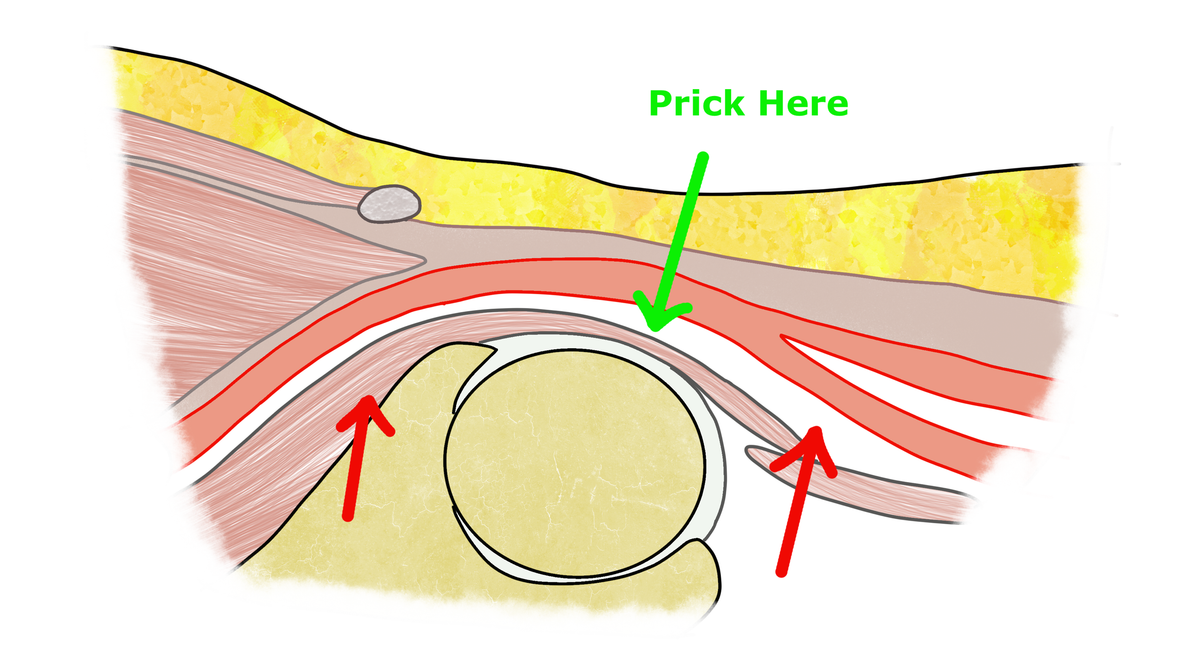
Antegrade access is the default for infrainguinal revascularization — until proven otherwise. Two real exceptions, two false exceptions, and the one adjustment that changes everything.
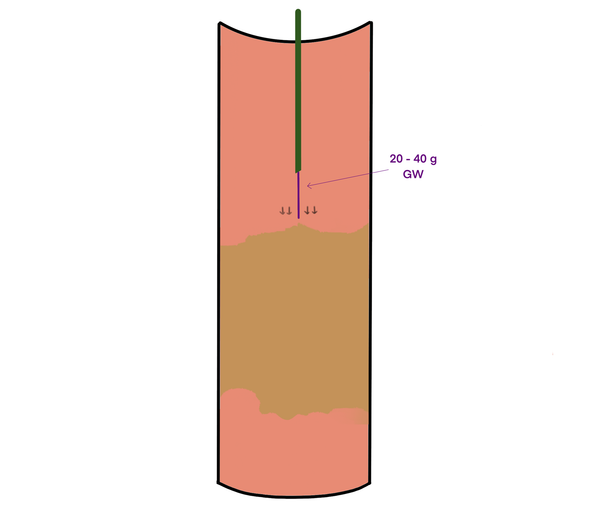
The perforating technique is your last endoluminal option before going subintimal. When to use it, when to avoid it, and which devices get the job done — a practical, no-fluff guide

A return to fundamentals in endovascular thinking. Why the FYA “Back to the Basics” format aligns perfectly with the Endovascular Insider philosophy — and how Insider readers can access the 2026 London meeting with an exclusive 50% registration discount.
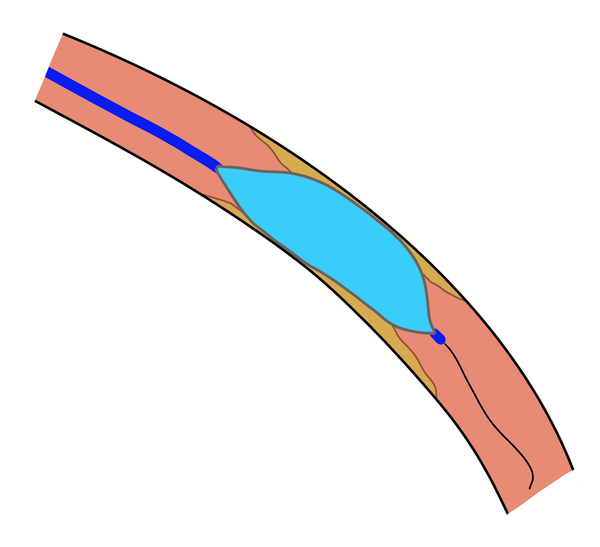
After PTA, a dissection doesn't always mean immediate stenting. Learn the practical rules for managing femoro-popliteal dissections without turning a focal problem into a metal sentence.
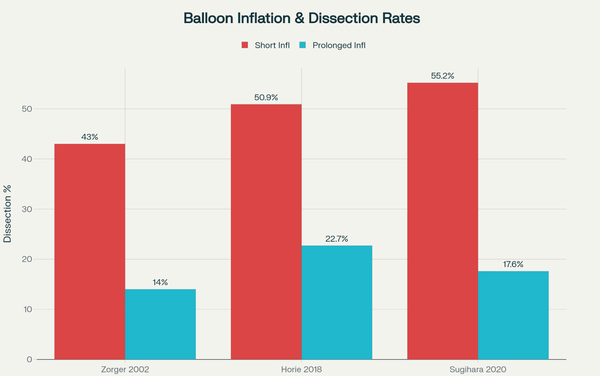
Prolonged and controlled balloon inflation is a key determinant of vessel preparation in peripheral angioplasty. A slow rise to nominal pressure and a 150–180 second hold reduce dissections, stabilize the arterial wall and improve drug-coated balloon performance.