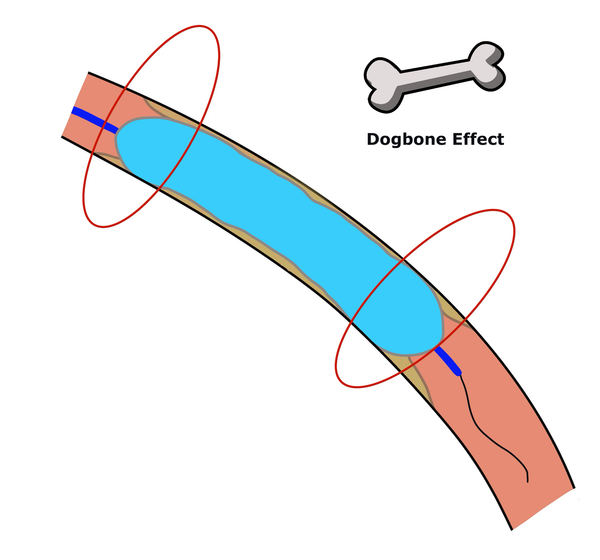
Vessel Preparation Starts from the Basics - Part 1: Sizing and Pressure
Before any dedicated device, two basic gestures already are vessel preparation: measuring the vessel correctly, and inflating very slowly up to nominal pressure — not beyond.

Before any dedicated device, two basic gestures already are vessel preparation: measuring the vessel correctly, and inflating very slowly up to nominal pressure — not beyond.
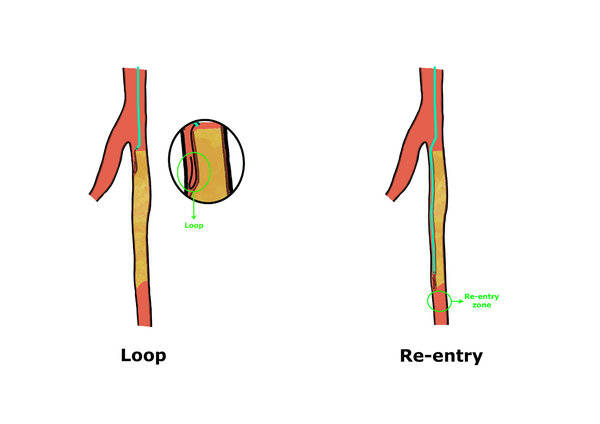
Once the decision is made to go subintimal, the technique becomes a matter of discipline: keeping the loop small, advancing the catheter behind the wire, and re-entering the true lumen right at the distal cap - the most demanding step of the entire procedure.
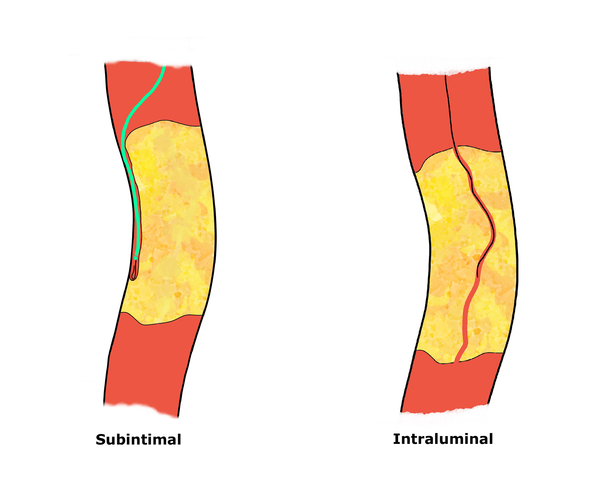
Once the Target Arterial Path is chosen, the technical question becomes how to cross the CTO. In long femoropopliteal occlusions the relationship between intraluminal and subintimal recanalization is more nuanced than the textbook sequence suggests — three scenarios worth distinguishing.
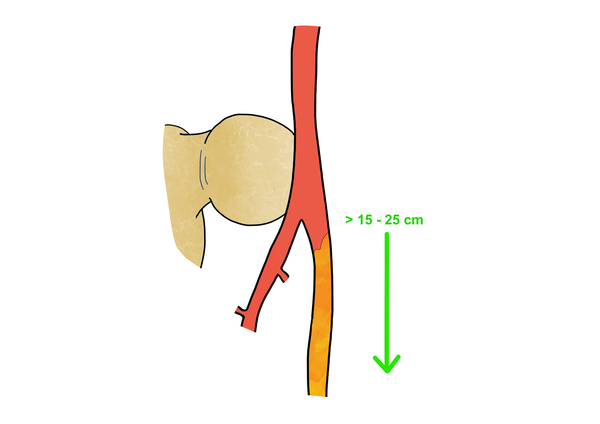
Before discussing how to cross a long or multilevel CTO, we need a more fundamental question: which vessel do we recanalize? The strategic framework of the 2019 Global Vascular Guidelines — Target Arterial Path, GLASS, and the role of the angiosome — defines everything that follows.
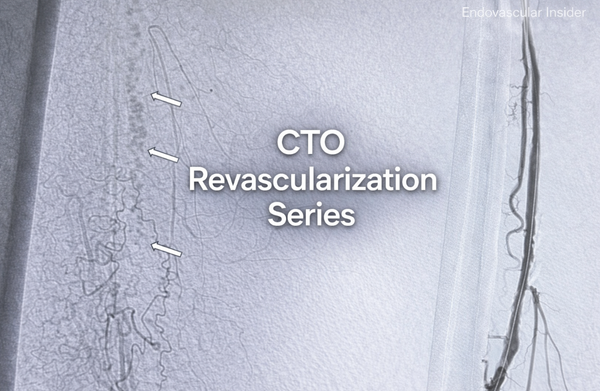
Heavy calcification is not just a technical obstacle — it changes the rules of the game entirely. In this issue: why the subintimal approach often fails in the highly calcified pattern, and why staying endoluminal is both the harder and the smarter choice
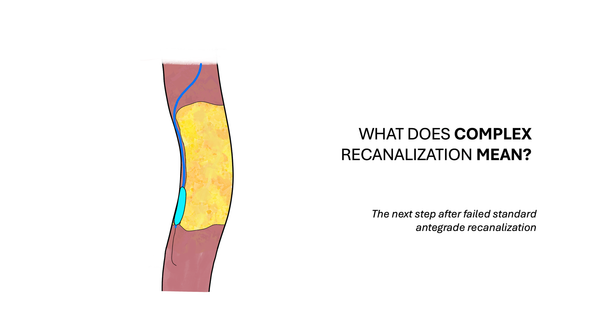
We use the term all the time. But complex recanalization is not an anatomical category — it’s a decision point. Here’s the operational definition that changes how you plan your next CTO case.
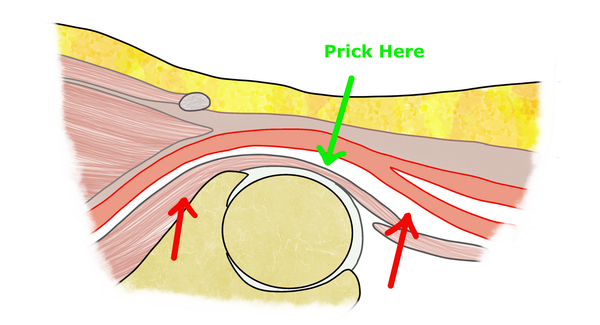
Antegrade access is the default for infrainguinal revascularization — until proven otherwise. Two real exceptions, two false exceptions, and the one adjustment that changes everything.
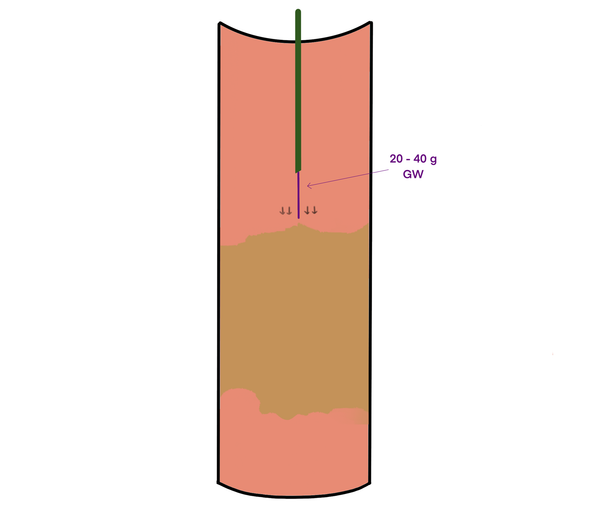
The perforating technique is your last endoluminal option before going subintimal. When to use it, when to avoid it, and which devices get the job done — a practical, no-fluff guide

A return to fundamentals in endovascular thinking. Why the FYA “Back to the Basics” format aligns perfectly with the Endovascular Insider philosophy — and how Insider readers can access the 2026 London meeting with an exclusive 50% registration discount.
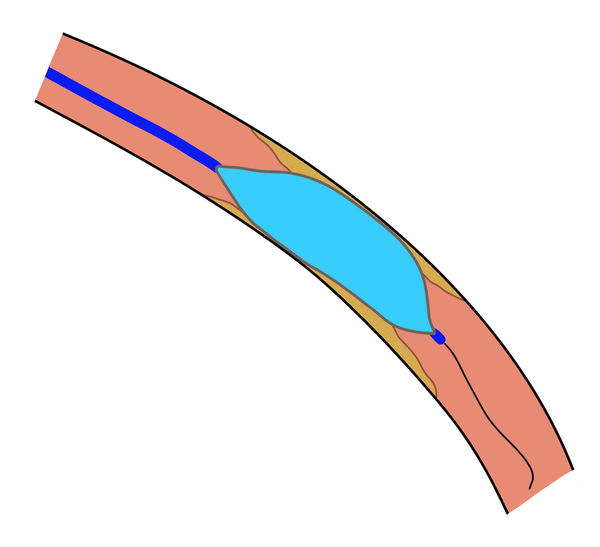
After PTA, a dissection doesn't always mean immediate stenting. Learn the practical rules for managing femoro-popliteal dissections without turning a focal problem into a metal sentence.
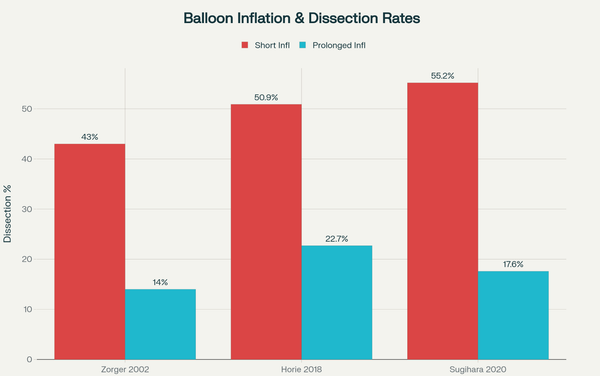
Prolonged and controlled balloon inflation is a key determinant of vessel preparation in peripheral angioplasty. A slow rise to nominal pressure and a 150–180 second hold reduce dissections, stabilize the arterial wall and improve drug-coated balloon performance.
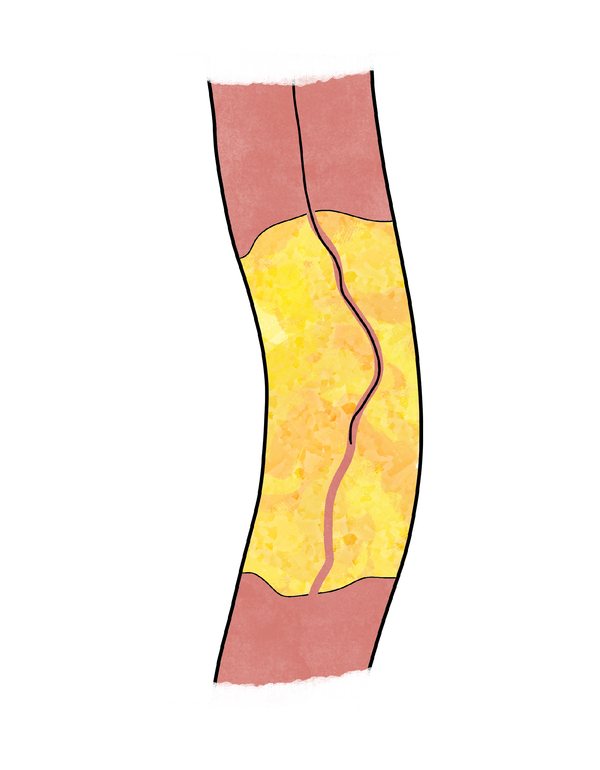
Endoluminal or subintimal recanalization? Practical guide to choosing the right approach for chronic total occlusions based on lesion length, vessel calcification, and anatomy — with evidence-based insights from daily endovascular practice.